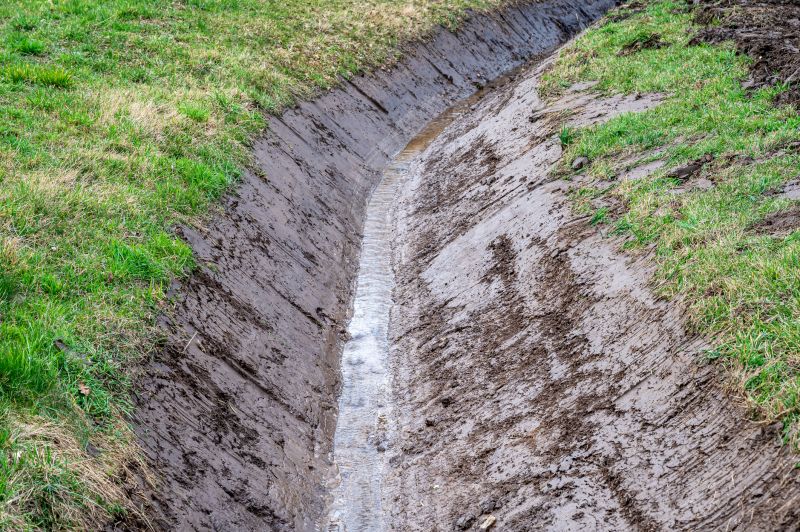
Ditch Repair in Houston, TX
Ditch repair services address issues with underground drainage systems, including correcting broken, collapsed, or misaligned pipes that can cause water backup, flooding, or property damage. These projects often involve inspecting existing drainage lines, replacing damaged sections, or installing new pipes to ensure proper water flow away from the property. Homeowners typically seek ditch repair when noticing signs of standing water, erosion, or foul odors near drainage areas, aiming to prevent further damage and maintain proper drainage function.
Property owners should understand the scope of work involved, including the extent of excavation required and the potential impact on landscaping or existing structures. It is also helpful to consider the underlying cause of the damage, such as soil shifting or heavy usage, to determine the most effective repair approach. Proper planning and understanding of the drainage system can contribute to long-lasting results and help prevent recurring issues related to drainage failures.
Many property owners in Houston, TX look into Ditch Repair for repairs, replacements, upgrades, and appearance-related improvements.
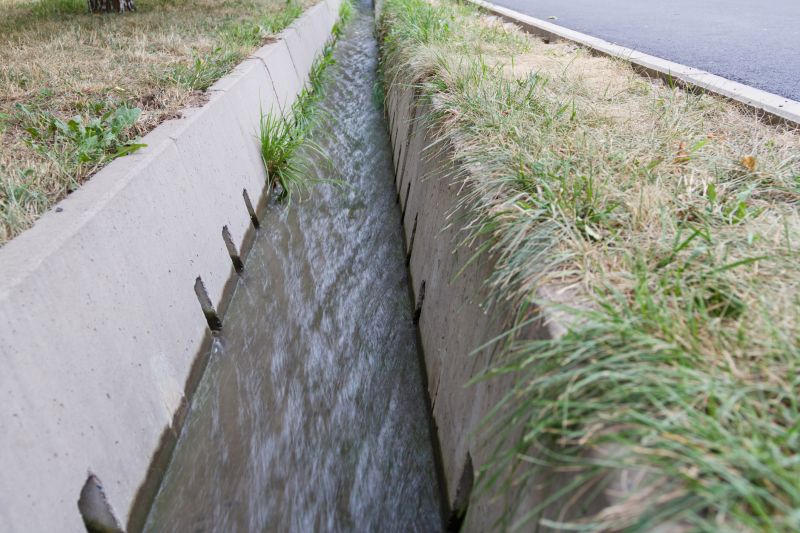
Signs Of Ditch Damage
Property owners may notice uneven ground or water pooling along drainage ditches in houston neighborhoods.
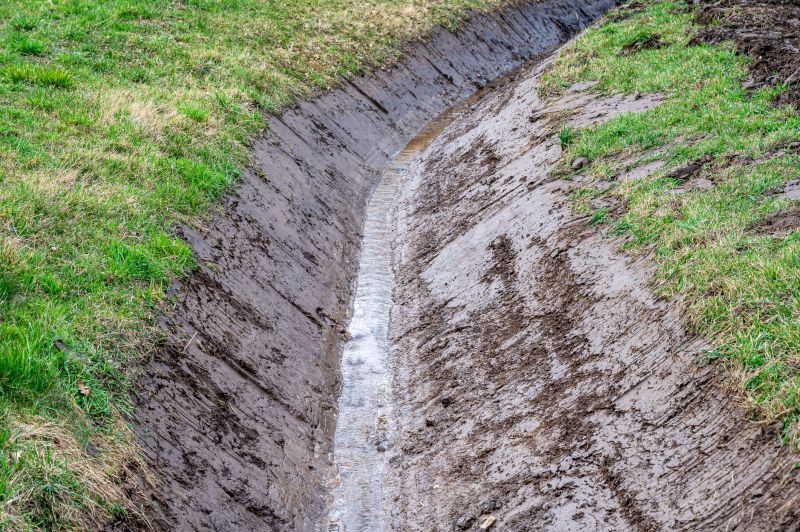
Common Repair Needs
Ditch repairs often involve fixing erosion, restoring banks, or clearing blockages to ensure proper drainage.
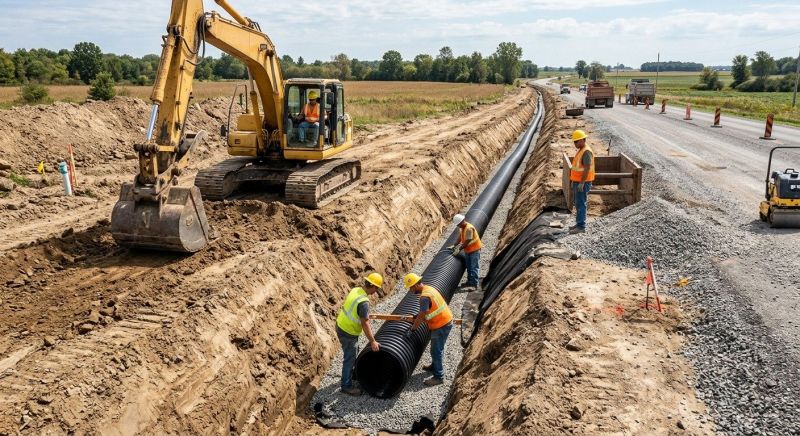
Importance Of Proper Maintenance
Regular inspection and timely repairs help prevent flooding and protect property value in houston areas.
Ditch Repair in Houston, TX

Ditch repair services address issues with underground drainage systems, including correcting broken, collapsed, or misaligned pipes that can cause water backup, flooding, or property damage. These projects often involve inspecting existing drainage lines, replacing damaged sections, or installing new pipes to ensure proper water flow away from the property. Homeowners typically seek ditch repair when noticing signs of standing water, erosion, or foul odors near drainage areas, aiming to prevent further damage and maintain proper drainage function.
Property owners should understand the scope of work involved, including the extent of excavation required and the potential impact on landscaping or existing structures. It is also helpful to consider the underlying cause of the damage, such as soil shifting or heavy usage, to determine the most effective repair approach. Proper planning and understanding of the drainage system can contribute to long-lasting results and help prevent recurring issues related to drainage failures.
Many property owners in Houston, TX look into Ditch Repair for repairs, replacements, upgrades, and appearance-related improvements.
Common Ditch Repair Jobs
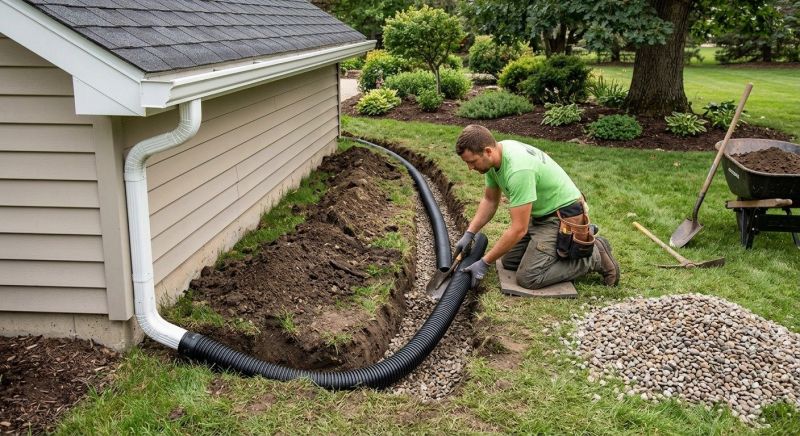
Drain pipe repairs - fixing leaks, cracks, or blockages in underground drain lines.
Pipe patching - sealing small cracks or holes in existing drain pipes to prevent leaks.
Pipe replacement - removing and installing new drain pipes when repairs are no longer effective.
Trenchless repair - restoring damaged drain lines with minimal excavation using advanced technology.
Clog removal - clearing out obstructions to restore proper drainage flow.
Drain line inspection - using cameras to locate issues and assess the condition of underground pipes.
Ditch Repair Questions
What causes ditch damage? Ditch damage can result from soil erosion, heavy rainfall, or improper installation, leading to deterioration over time.
How can I tell if my ditch needs repair? Signs include standing water, erosion around the edges, or uneven ground along the ditch line.
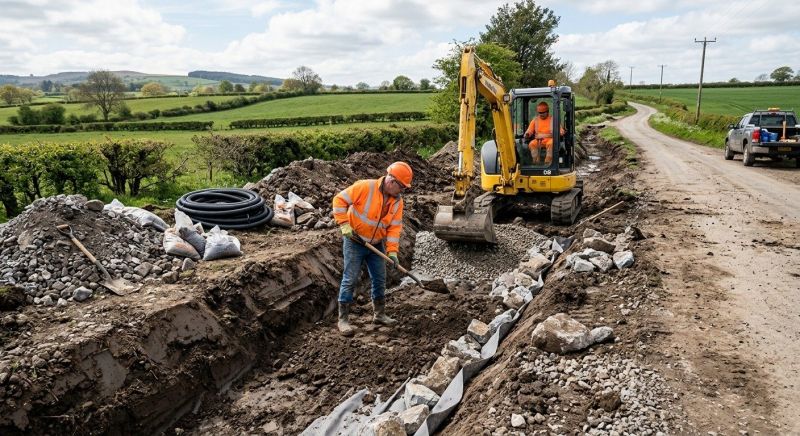
What types of repairs are common for ditches? Common repairs include reshaping the ditch, adding reinforcement, or installing new lining materials to prevent future issues.
Why is proper ditch repair important? Proper repair helps maintain effective drainage, prevents property damage, and ensures long-term functionality of the drainage system.
Request Ditch Repair in Houston, TX
Use the quote form on this page to share the basics of your project and request more information for the type of work you need.